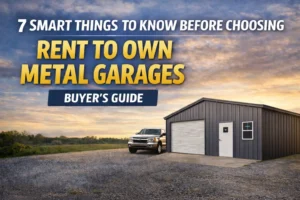
Rent to Own Metal Buildings: A Buyer Checklist
Rent to own metal buildings can be a practical path to ownership for buyers who want a metal building without paying the full cost upfront. The key is understanding how rent to own programs are structured so you can compare options clearly, avoid surprises, and pick a payment plan that actually fits your budget and timeline.
This guide breaks down the most important factors buyers should evaluate before committing to a rent to own metal building. Use it as a checklist when you compare programs or decide whether rent to own is the right fit for your project.
1. Know what “rent to own” really means
Rent to own is different from a traditional loan. Instead of borrowing a lump sum and repaying it with interest, rent to own programs typically follow a defined payment schedule that leads to ownership after the final payment. That sounds simple, but the details matter: how ownership transfers, what happens if you pay early, and how the agreement handles missed payments can vary from program to program.
Before you apply, confirm the exact ownership milestone. In plain terms, ask: “When do I own the building?” Then make sure the contract language matches the answer.
2. Compare the monthly payment and the total cost
Most buyers focus on the monthly payment first, which makes sense. But the total cost over time is what determines whether a rent to own metal building is truly the best choice. Two payment plans can look similar month-to-month while ending up very different in total cost.
A simple way to evaluate this is to compare three numbers: your monthly payment, the total number of payments, and the final ownership cost. If you’re comparing rent to own against a loan, it also helps to understand APR versus interest rate so you can judge the full cost of borrowing in a traditional financing option.
Consumer Financial Protection Bureau: Interest Rate vs APR
3. Review term length and payoff flexibility
Term length affects everything: payment amount, total cost, and how quickly you reach ownership. A longer term often means a smaller payment, but it can increase the total cost over time. A shorter term may cost more per month but can reduce total cost and get you to ownership sooner.
Also confirm whether early payoff is allowed and how it works. Some programs make payoff straightforward, while others have rules that can limit flexibility. If you think you might want to pay off early later, make sure that option is clearly explained before you commit.
4. Understand qualification requirements and what you’ll need to provide
One reason rent to own metal buildings are popular is the application process may be simpler than certain traditional loan routes. Still, qualification requirements vary. Some programs focus on basic identity verification and payment consistency, while others may request additional documentation depending on the provider.
Before applying, gather your basics so the process is smooth: identification, contact information, and any project details you already know (such as building type and general size range). A clean application reduces delays and helps you get accurate terms faster.
5. Confirm what building types and use cases are eligible
Not every rent to own program applies to every structure. Some programs are geared toward garages and storage buildings, while others may support a broader range of structures. Eligibility can also vary by intended use. For example, a building intended for personal storage may be treated differently than a structure intended for business operations.
Before you apply, confirm eligibility for your exact plan: garage, workshop, storage building, agricultural use, RV protection, or commercial use. This is one of the easiest ways to avoid wasting time on an application that doesn’t match your project.
6. Pay attention to missed payments and cancellation terms
The most overlooked part of rent to own is what happens if life gets messy. Missed payments, pauses, or cancellations are handled differently depending on the program. Some agreements allow for flexibility, while others are strict about reinstatement rules or termination terms.
Before committing, ask for clear answers to these questions: “What happens if a payment is late?” “Is there a grace period?” “Can I resume if I miss a month?” “If I cancel, what happens to payments already made?” Knowing this upfront helps you choose a program you can realistically maintain.
7. Choose a provider based on clarity, not just the lowest payment
The lowest monthly payment isn’t always the best deal if the terms are unclear or if the ownership timeline doesn’t match your goals. A good rent to own program should be easy to understand, transparent about total cost and term length, and clear about eligibility requirements.
When comparing options, prioritize clarity first. If you can’t get simple answers to basic questions, that’s a sign to slow down and compare other options.
Choosing the Right Metal Building Category
It’s easier to choose the right rent to own plan when you already know what type of building you’re financing. If you’re still narrowing it down, browsing categories can help you match the structure to your use case before you commit to a payment schedule.
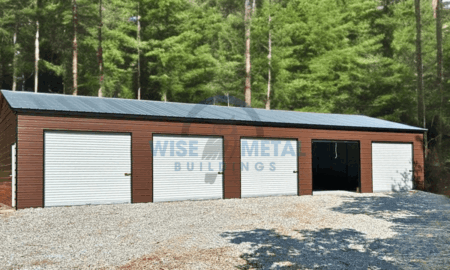
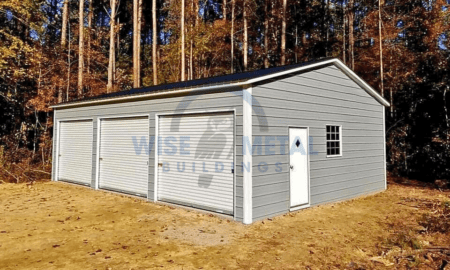
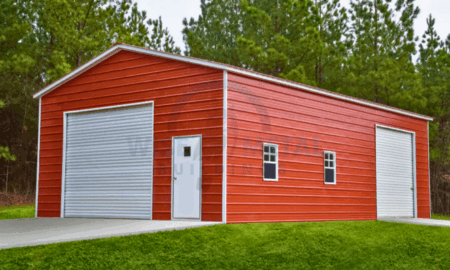
- Metal Garages for vehicle storage, workshops, and enclosed equipment space.
- Metal RV Covers for protected parking and weather coverage without full enclosure.
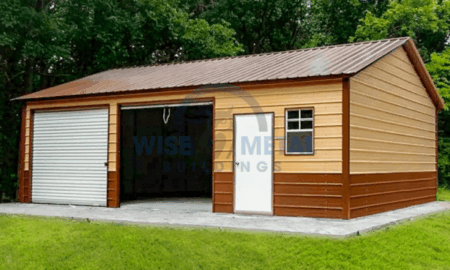
- Metal Utility Buildings for storage, tools, and day-to-day property use.
- Commercial Metal Buildings for business operations, inventory, and workspace needs.
Rent to Own vs Traditional Financing
Rent to own metal buildings are often chosen for simplicity and predictable payments. Traditional financing may offer different terms depending on credit profile, documentation, and lender requirements. Neither option is universally better. The right choice depends on your timeline, your budget, and whether you prioritize flexibility, speed, or overall cost.
If you want to compare financing options side-by-side, you can start here: metal building financing. If you are shopping specifically for enclosed space, this category is a strong starting point: metal garages.
Next Steps
If rent to own metal buildings sound like the right fit, your next step is to narrow down your building type and confirm eligibility for your intended use. Then compare payment structure, term length, total cost, and ownership timeline so you can apply confidently and choose the option that fits your project.
To see recent builds, photos, and updates, follow Wise Metal Buildings on Facebook.